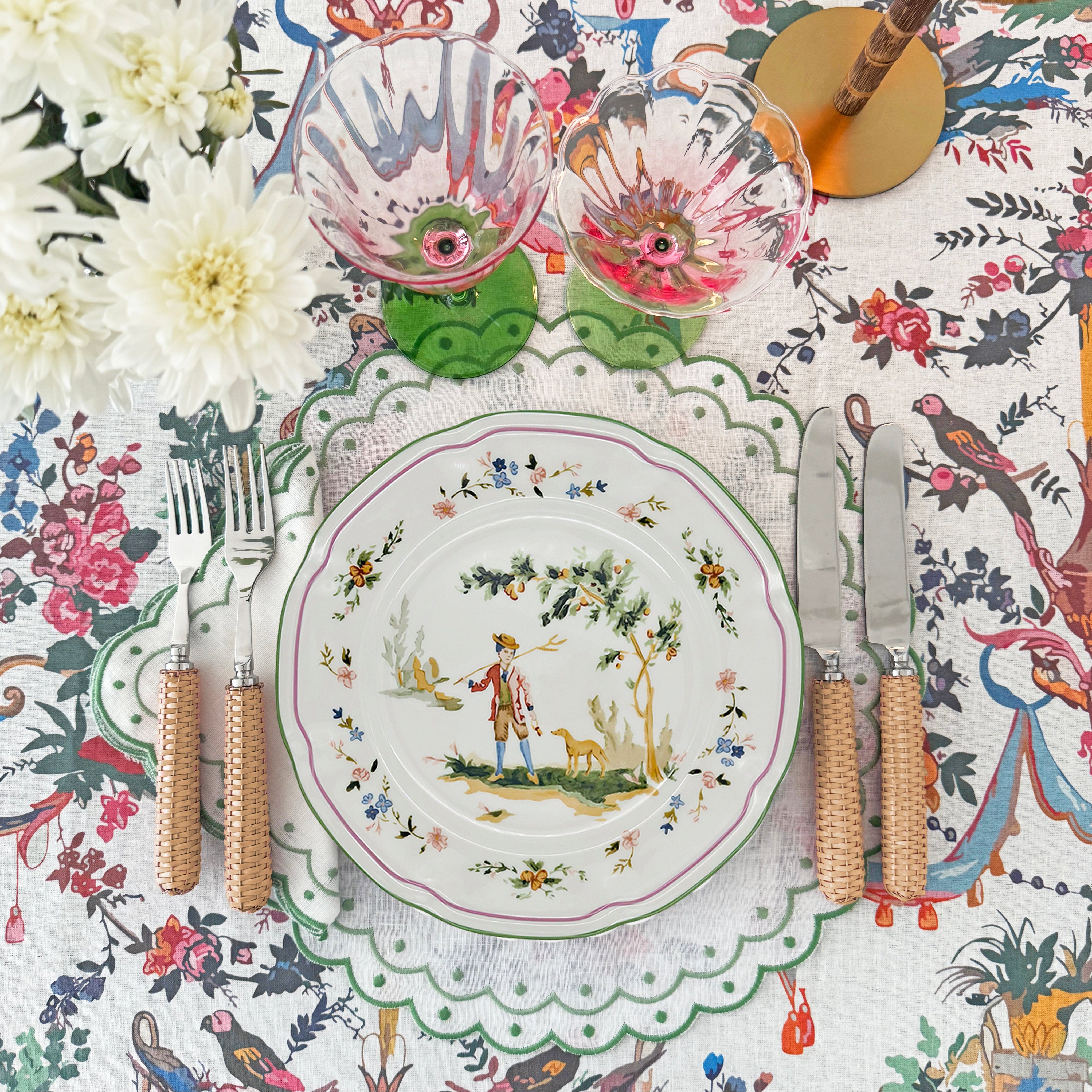

A pagoda-shaped lantern on a console has a particular kind of presence: architectural, warm, and just a little transporting. Pagodas and lanterns bring more than light to a room. They introduce height, rhythm, and a sense of occasion, whether they are placed beside a stack of art books, glowing along a sideboard, or waiting to welcome guests at an evening gathering.
The appeal lies in their ability to feel decorative without becoming fussy. A well-chosen lantern adds a point of view to the home during the day, then softens the atmosphere after sunset. A pagoda silhouette, with its tiered roofline and graceful proportions, offers a collected feeling that works beautifully within traditional, coastal, garden-inspired, and more eclectic interiors.
Why Pagodas and Lanterns Endure
The pagoda form has deep architectural roots across many Asian cultures, each with its own history, materials, and meaning. In a decorating context, it is best appreciated as a distinctive silhouette rather than treated as a catchall for a broad range of cultural references. The most elegant rooms make space for beauty with respect, choosing pieces because their craftsmanship, form, and placement feel considered.
Lanterns, meanwhile, have always carried an element of hospitality. Their gentle light signals that a space is ready to be enjoyed. Unlike overhead lighting, which can flatten a room or feel overly formal, a lantern draws the eye downward and creates intimacy at the level where people actually gather.
Together, pagodas and lanterns offer a pleasing balance. The pagoda provides shape and structure; the lantern provides warmth. This pairing is especially lovely in homes where entertaining is part of everyday life, because it makes even a simple afternoon drink or impromptu visit feel thoughtfully arranged.
Start With Scale, Not Ornament
The most common mistake with decorative lighting is choosing a piece that is too small for its setting. A petite lantern can disappear on a large console, while an oversized pagoda lamp may overwhelm a narrow table. Before falling for color or pattern, consider the width and height of the surface it will inhabit.
On a generous entry console, a substantial lamp with a pagoda-inspired profile can anchor one end, balanced by a lower arrangement of flowers or a bowl on the other. On a smaller occasional table, a compact cordless lamp can create the same sense of welcome without competing with the room around it. The goal is not strict symmetry. It is visual composure.
Height matters just as much. A taller lamp is especially useful when a room has low, horizontal furnishings, such as a long sofa or sideboard. It gives the eye somewhere to travel. If the room already has a dramatic mirror, artwork, or tall window treatment nearby, a lower lantern may be the better choice. Let one element have the leading role.
The Case for Cordless Light
Cordless lamps have changed the way we use decorative light when gathering. They can move from a library table to a drinks tray, from a covered porch to a bedside table, without a visible cord interrupting the scene. A rechargeable lamp with a pagoda shade or a polished lantern form is both practical and quietly luxurious.
For a table set for conversation, keep the light low enough that guests can see one another easily. The atmosphere should feel flattering, not theatrical. One small lamp at either end of a longer table is often enough. For a round table, a single central lamp can be lovely if it does not obstruct sightlines or crowd flowers.
Build a Layered Moment Around the Light
A lantern becomes far more compelling when it belongs to a small composition. Think in materials rather than matching sets: lacquer against woven texture, brass beside ceramic, crisp linen beneath glass. These contrasts make a room feel gathered over time.
A classic arrangement might place a pagoda-inspired lamp on a tray with a small vase of fresh branches and a handsome box for matches or correspondence. In warmer months, introduce rattan, cane, or a striped textile for a lighter note. In autumn and winter, a deeper lacquered finish, a marble accent, or a richly colored shade brings more depth.
Color can guide the mood, too. White, cream, and soft green lanterns feel fresh in a sunlit room. Blue and white references create a timeless, polished look, particularly alongside natural linens and clear glass. A red, black, or deep navy lamp adds drama in a more traditional setting. There is no requirement for every object to coordinate exactly. Repetition of one or two colors is usually more sophisticated than a room full of perfect matches.
Let the Setting Change With the Season
The beauty of lanterns is their versatility. In spring, place one near tulips, flowering branches, or a bowl of citrus for a crisp, optimistic welcome. Summer calls for woven trays, pale candlelight, and an easy arrangement of garden clippings. Come fall, the same lamp can sit beside darker leaves, amber glass, or a patterned textile. During the holidays, it becomes part of a more luminous landscape with greenery and candles.
This is where decorative pieces earn their place. A lantern should not be reserved for a single holiday or styled only when company is expected. It should make an ordinary Tuesday evening feel a touch more finished. That is the distinction between collecting beautiful objects and truly living with them.
Where to Place Lanterns for a Welcoming Home
An entry is an obvious and effective place to begin. A glowing lamp near the front door offers an immediate gesture of welcome, particularly after dusk. Keep the surrounding arrangement simple enough to feel effortless: a tray, a small vessel, and perhaps a framed photograph are plenty.
In a sitting room, use lanterns to soften corners that otherwise feel forgotten. A small table beside a chair becomes more inviting with a light source and a place to rest a drink or book. On a mantel or bookshelf, an unlit pagoda object can add architectural interest, though it should be given enough breathing room to read as intentional.
A powder room is another charming opportunity. A cordless lamp on a small tray adds warmth where overhead light is often too sharp. Choose a finish that feels special from close range, since guests will notice the details there. A patterned shade, hand-painted base, or elegant metallic accent can make a modest room feel remarkably considered.
For outdoor entertaining, the decision depends on the conditions. Battery-powered lamps and enclosed lanterns are practical for a covered terrace or porch, while open-flame candles require closer attention to wind, greenery, and placement. Never force an indoor decorative piece into an exposed setting simply for the look. The most gracious choices are also the sensible ones.
A More Collected Approach to Pagoda Style
A pagoda motif is most persuasive when it appears as one note in a larger room, not repeated in every corner. Pair a pagoda lamp with tailored upholstery, natural fiber rugs, botanical prints, or classic blue-and-white ceramics. These combinations allow the silhouette to feel confident rather than themed.
It also helps to distinguish between a true statement piece and supporting accents. If your lamp has a sculptural pagoda base, choose quieter objects around it. If the room is otherwise neutral, a patterned pagoda shade or painted lantern can provide the punctuation. The room does not need more decoration. It needs the right focal point.
Duggan Society embraces this kind of expressive restraint: pieces that are polished enough for a special gathering, yet useful enough to remain part of daily life. A beautiful lamp should not feel precious once guests arrive. It should simply cast a better light on the people and moments you love.
When choosing pagodas and lanterns, follow the room's existing character, then add one element that feels slightly more unexpected. Perhaps it is a shade with a playful trim, a glossy finish against weathered wood, or a petite glowing lamp at the end of a generously set table. The finest decorative decisions do not announce themselves loudly. They make everyone who enters feel that they have arrived somewhere cared for.