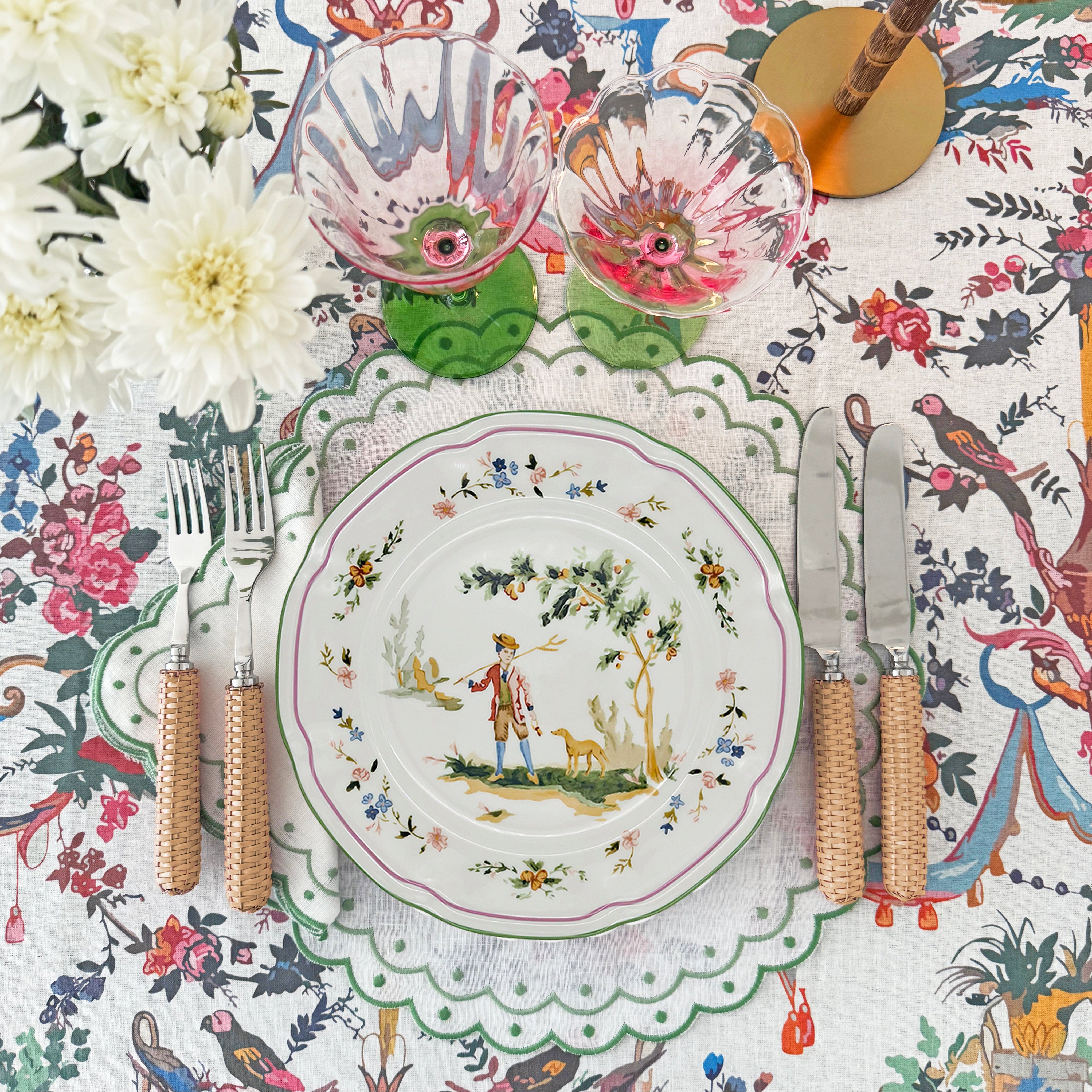

A woven piece can change the mood of a table faster than almost anything else. Set down a placemat with real texture, carry in a beautifully made bag, or layer a handwoven accent onto a console, and the room suddenly feels more considered. That quiet transformation is part of the appeal of palma de iraca - a material long valued for its lightness, refinement, and unmistakable natural charm.
For those who love a home that feels collected rather than overly arranged, palma de iraca has a particular draw. It offers warmth without heaviness, polish without stiffness, and a kind of ease that suits both everyday rituals and more dressed occasions. In a world of glossy finishes and mass-produced surfaces, it brings back the pleasure of touch, detail, and handiwork.
What is palma de iraca?
Palma de iraca refers to a natural plant fiber used to create finely woven decorative and functional objects. It is especially associated with artisanal weaving traditions in Colombia, where the fiber is prepared and shaped by hand into hats, baskets, bags, placemats, and a range of home accents. The finished look is often delicate and airy, but that lightness can be misleading - well-made pieces are surprisingly durable when treated with care.
One reason palma de iraca stands apart is its texture. It has a softness and flexibility that allow for intricate weaving, yet it still holds a crisp, elegant shape. That balance is difficult to imitate. Synthetic materials can mimic the general look of woven fibers, but they rarely capture the same depth, variation, and tactile beauty.
There is also a visual subtlety to it that works beautifully in interiors. Palma de iraca tends to sit comfortably alongside polished wood, lacquer, linen, glass, and ceramic. It does not fight for attention, but it never disappears either. Instead, it acts as a grounding layer that makes a setting feel finished.
Why palma de iraca feels so at home in gracious living
Some materials announce themselves. Others simply make everything around them look better. Palma de iraca belongs in the second category.
It fits naturally into a style of living that values beauty in use. A handwoven piece does not need to be reserved for a holiday table or a formal room. It can elevate a weekday breakfast nook, soften the lines of a bar cart, or bring texture to a guest room in a way that feels intentional but never fussy. That is part of its luxury - not rarity for its own sake, but a sense of thoughtfulness that shows up in daily life.
For the design-minded hostess, that matters. The most memorable rooms and tables are rarely built on statement pieces alone. They come together through contrast: smooth with woven, polished with organic, structured with relaxed. Palma de iraca introduces exactly that contrast. It adds dimension to settings that might otherwise feel too flat or too formal.
It also carries an artisanal quality that many shoppers are seeking more consciously now. People want pieces with character. They want to feel the human hand in the object. With palma de iraca, slight variations in weave or tone are not flaws. They are often the reason the piece feels special.
How to decorate with palma de iraca
The easiest way to use palma de iraca is as a textural counterpoint. If your table already includes ceramic, glass, polished flatware, or crisp linens, a woven element instantly softens the composition. Placemats and chargers are especially effective because they create structure while still feeling relaxed.
In a more casual setting, palma de iraca can carry the entire atmosphere. It pairs beautifully with white linens, floral prints, rattan, and natural wood, but it can also look striking against higher-contrast combinations like black lacquer, green accents, or richly colored candles. The key is not to treat it as overly rustic. It is refined enough to hold its own in a polished room.
Elsewhere in the home, the same principle applies. A woven tray on an ottoman introduces warmth where upholstery and hard surfaces meet. A decorative basket can make shelving feel less rigid. A handwoven bag draped on a hook or chair can read almost like an accessory for the room itself. These are small gestures, but they shape the overall impression of a space.
Styling palma de iraca for the table
On the table, palma de iraca excels because it brings visual depth without crowding the setting. If you prefer a quieter palette, natural tones create an understated foundation for layered linens, patterned plates, or colored glassware. If your style leans more playful, woven texture keeps brighter details from feeling overly precious.
This is where proportion matters. A fine, delicate weave can feel lovely for an intimate luncheon, while a bolder silhouette or scalloped edge may suit a more decorative table. Neither is inherently better. It depends on the mood you want to set and how much visual movement already exists in the rest of the scheme.
There is also value in restraint. Because palma de iraca has so much texture, it often works best when paired with materials that allow it to breathe. A crisp napkin, a simple candleholder, or a softly patterned cloth can be enough. Overlayering too many woven elements at once can make a setting feel busy rather than elegant.
What to look for when choosing palma de iraca pieces
Not all woven pieces have the same presence. With palma de iraca, craftsmanship is the first thing to notice. A quality piece will feel intentional in its shape, consistent in its weave, and balanced in its finish. The edges should look neat, the form should sit properly, and the material should feel light but not flimsy.
Color is another consideration. Natural shades are timeless and especially versatile, but dyed versions can be wonderfully decorative when the tone is sophisticated and the finish remains nuanced. The best color choices tend to complement the room rather than dominate it.
Scale matters more than many people expect. A woven accent that is too small can look accidental, while one that is too large may overwhelm more delicate elements nearby. This is particularly true for tabletop pieces, where every layer is visible at once. If you are building a setting to use often, choose proportions that feel adaptable across seasons and occasions.
The trade-off between delicacy and durability
Palma de iraca rewards thoughtful use. Because it is a natural handwoven material, it is not the piece to choose if you want something entirely maintenance-free. It can hold up beautifully over time, but it should be treated with the same respect you would give linen, lacquer, or any finely finished object.
That is not necessarily a disadvantage. For many people, part of living well is caring for the things they love. Still, it helps to be realistic. If a piece will be used often in high-traffic settings, look for designs with structure and a weave that feels substantial. If it is more decorative, a finer and more delicate style may be perfect.
Why handwoven materials continue to matter
There is a reason woven natural fibers remain so appealing, even as trends shift. They connect a room to something more grounded. They soften the edges of a highly finished interior and make collected spaces feel warmer, more personal, and more lived in.
Palma de iraca does this especially well because it is both elegant and approachable. It does not ask for a complete design overhaul. It simply layers in gracefully. That makes it useful for the hostess who loves a beautifully set table, the shopper looking for a distinctive gift, and the homeowner who wants each room to feel inviting without becoming overly styled.
In that sense, palma de iraca is less about a trend than a sensibility. It reflects an appreciation for pieces that are made with care, chosen with intention, and used in ways that make everyday life feel more beautiful. That kind of detail never really goes out of fashion.
A home is remembered through atmosphere as much as objects. When a woven piece catches the light, adds texture to a place setting, or brings softness to a room, it does something simple but lasting - it makes the space feel ready to welcome people in.