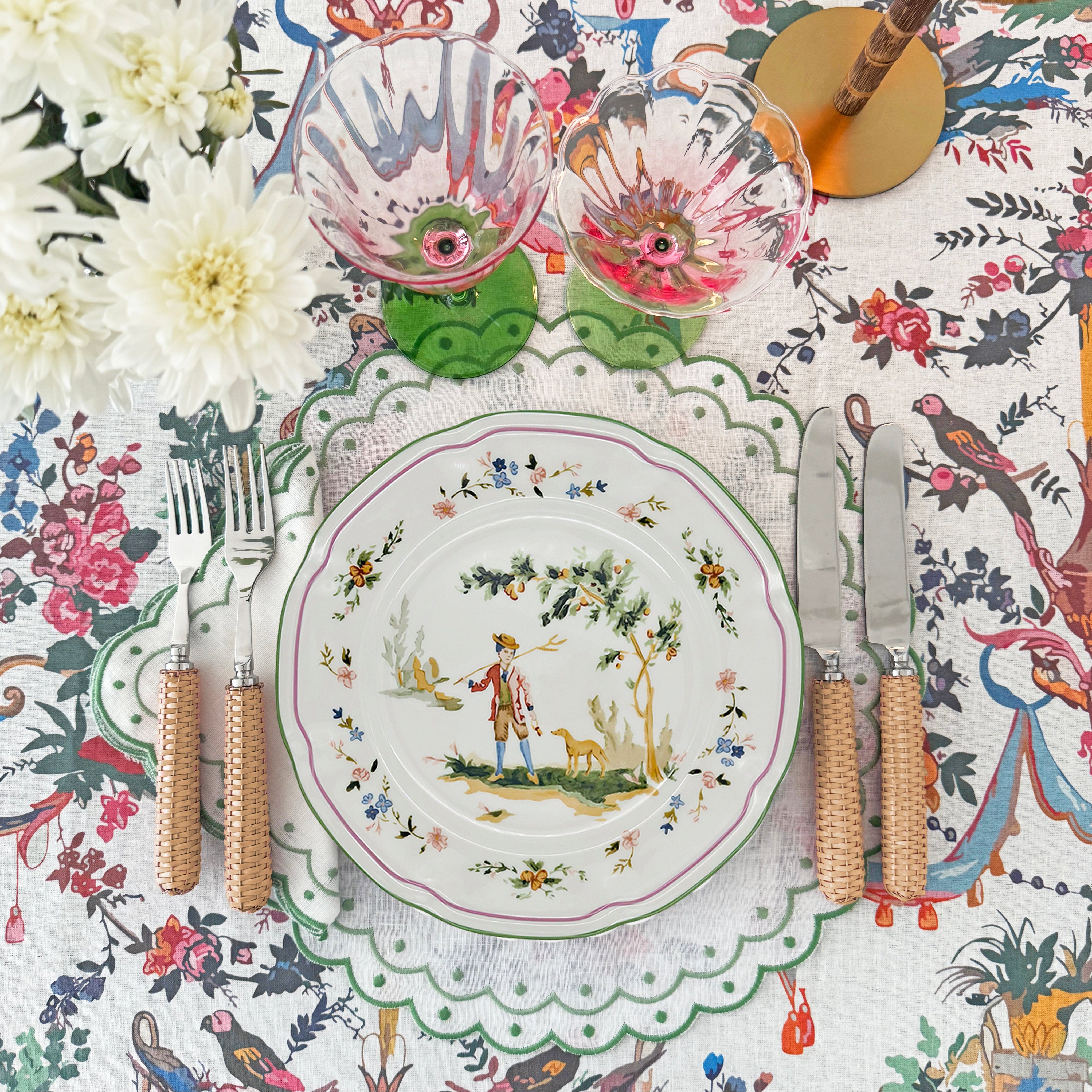

The difference between a lovely outdoor lunch and a table people photograph before they sit down usually comes down to restraint. Garden party table decor is not about filling every inch with flowers, pattern, and color. It is about building a setting that feels collected, relaxed, and quietly beautiful - the kind of table that looks effortless because every element has been considered.
A garden table should feel connected to its surroundings, not staged against them. The breeze, the shifting light, the green backdrop, and the casual rhythm of the afternoon all shape the way a table should be dressed. What works beautifully indoors can feel heavy outside. What feels charming at first can start to look cluttered once glasses, serving pieces, and conversation take over.
What garden party table decor should do
At its best, garden party table decor sets a mood before a single guest arrives. It tells everyone whether the afternoon is crisp and tailored, soft and romantic, or colorful and playful. More importantly, it supports the gathering itself. A beautiful table should still leave room for serving, passing a drink, and settling in comfortably.
That balance is where many outdoor tables go wrong. They are either too sparse and feel unfinished, or so decorated that guests are moving vases just to make eye contact. The most inviting tables sit somewhere in the middle. They have presence, but they also have ease.
If you want the setting to feel elevated, think in layers rather than statements. Linens, placemats, glassware, lighting, and floral elements should work together, each adding something slightly different. Texture matters as much as color. Height matters as much as pattern. And a little breathing room matters more than most hosts realize.
Start with the foundation of the table
Every successful outdoor table begins with what sits directly under everything else. A tablecloth creates softness and movement, particularly in a garden where the setting can otherwise lean visually hard with iron, wood, or stone furniture. If you prefer a more tailored look, placemats on a bare table can feel equally refined, especially when the tabletop itself is part of the charm.
The choice depends on the atmosphere you want. A full cloth feels romantic and traditional. It also helps absorb some of the visual busyness that comes with patterned plates, floral arrangements, and glassware catching sunlight. Placemats feel crisper and slightly more relaxed, which can be ideal for daytime entertaining.
Color should not fight the landscape. Soft greens, sky blues, creamy whites, warm rattan tones, and botanical prints tend to look at home outdoors. That does not mean bright color is off limits. A citrusy yellow or a washed coral can be beautiful in a garden setting, but it works best when anchored by something classic, such as white linens or woven textures.
Use color with intention
Outdoor entertaining invites more color than a formal indoor dinner, but that freedom still benefits from an edit. The easiest way to make a table feel expensive is to narrow the palette. Two main colors and one accent usually create more impact than six competing shades.
Blue and green is a natural favorite because it echoes the setting while still feeling fresh. White and natural fibers create a cleaner, Palm Beach-inspired mood. Pink paired with bamboo tones or hand-painted florals can lean more feminine and celebratory. There is no single correct combination, but there should be a sense of direction.
If your linens are patterned, keep the plates quieter. If the plates are expressive, let the flowers be simpler. Garden party table decor feels most polished when one element leads and the others support it. A table full of beautiful things can still feel visually noisy if nothing knows its role.
Bring in texture so the table feels lived in
Texture is what keeps an outdoor table from feeling flat. In a garden, natural materials help bridge the line between dressed and relaxed. Woven placemats, scalloped linens, rattan-trimmed serving pieces, and hand-finished ceramics add warmth that polished surfaces alone cannot.
This is also where the table starts to feel personal. A crisp white plate becomes more interesting on a woven charger. A printed napkin feels richer with a simple ring or soft fold. Glassware with a hint of color catches the light and adds another layer without demanding attention.
There is also a practical side to texture. Outdoor tables need pieces that feel stable and usable. Lightweight paper-like details may look sweet in a still photo, but they often disappoint in real conditions. The most successful tables are attractive because they are made for gathering, not just admiring.
Centerpieces should invite conversation
Flowers belong on a garden table, but scale is everything. Tall arrangements can feel grand, though they often interrupt conversation and create visual barriers. Lower arrangements or a series of smaller vessels usually feel more gracious outdoors.
A mix of bud vases down the center of the table often works better than one large centerpiece. It gives the table movement, keeps sightlines open, and looks more relaxed. You can use garden roses, ranunculus, tulips, hydrangea, or even clipped branches and herbs if the mood is meant to be looser.
Candles also deserve a place, even during the day. They add shape and softness, and if the gathering extends into early evening, they become essential. Rechargeable cordless lamps are especially useful for outdoor entertaining because they create glow without requiring a nearby outlet or introducing fuss. That kind of lighting makes the table feel thoughtful rather than overproduced.
Garden party table decor needs lighting as much as flowers
People often think first about florals, but lighting is what gives an outdoor table atmosphere. Afternoon sun can carry a gathering only so far. Once the light starts to change, a table without illumination can quickly lose its magic.
Small lamps placed along the center of the table or at each end create a pool of flattering light that candles alone sometimes cannot provide. The effect is intimate, and it allows the decorative details to stay visible well into the evening. If your gathering begins earlier in the day, layering in lighting from the start means the table will transition beautifully instead of looking like an afterthought at dusk.
The trade-off is scale. Large lamps can dominate a smaller table, while tiny tealights may disappear on a generous one. Match the lighting to the proportions of the table so it feels integrated.
Place settings should feel complete, not crowded
A place setting for a garden party should have enough detail to feel special, but not so much that it slows down the experience. Guests notice thoughtful touches immediately: a napkin in a beautiful print, a layered plate, a water glass with a bit of color, a handwritten place card if the occasion calls for it.
That said, more is not always better. If the table is already rich with floral pattern and texture, a simpler plate stack can keep things elegant. If the linens are understated, this is where a hand-painted or scalloped dinner plate can bring charm.
The best settings feel intentional without feeling rigid. They suggest that the host has taste, not that she spent the morning measuring each fork placement with a ruler.
Let the setting influence the styling
Not every garden calls for the same table. A luncheon under clipped hedges may suit a more tailored palette and structured arrangement. A table set on grass beneath trees can be softer, looser, and more organic. Terraces, courtyards, and poolside settings each ask for something slightly different.
This is where stylish hosts tend to make smart decisions. They do not decorate in a vacuum. They respond to the environment and let it shape the mood. In that sense, garden party table decor is less about rules and more about sensitivity. The surroundings should lead.
For a classic look, keep the palette restrained and the florals tonal. For something more playful, introduce striped linens, colored glassware, or a charming mix of botanical motifs. Duggan Society understands this balance well - pieces should feel collectible and distinctive, yet easy to mix into the way people actually gather.
A polished table still needs ease
The tables guests remember most are rarely the ones that felt overly formal. They are the ones that made everyone want to linger. Beauty matters, but so does comfort. Napkins should be soft in the hand. Lighting should flatter. Flowers should smell lovely without overwhelming the table. Nothing should feel too precious to use.
That is the quiet secret of a really successful garden table. It does not just look beautiful from across the lawn. It feels welcoming up close, when someone pulls out a chair, reaches for a glass, and settles in for another hour.
Set the table with that kind of generosity in mind, and the decor will do more than decorate. It will shape the whole mood of the day.