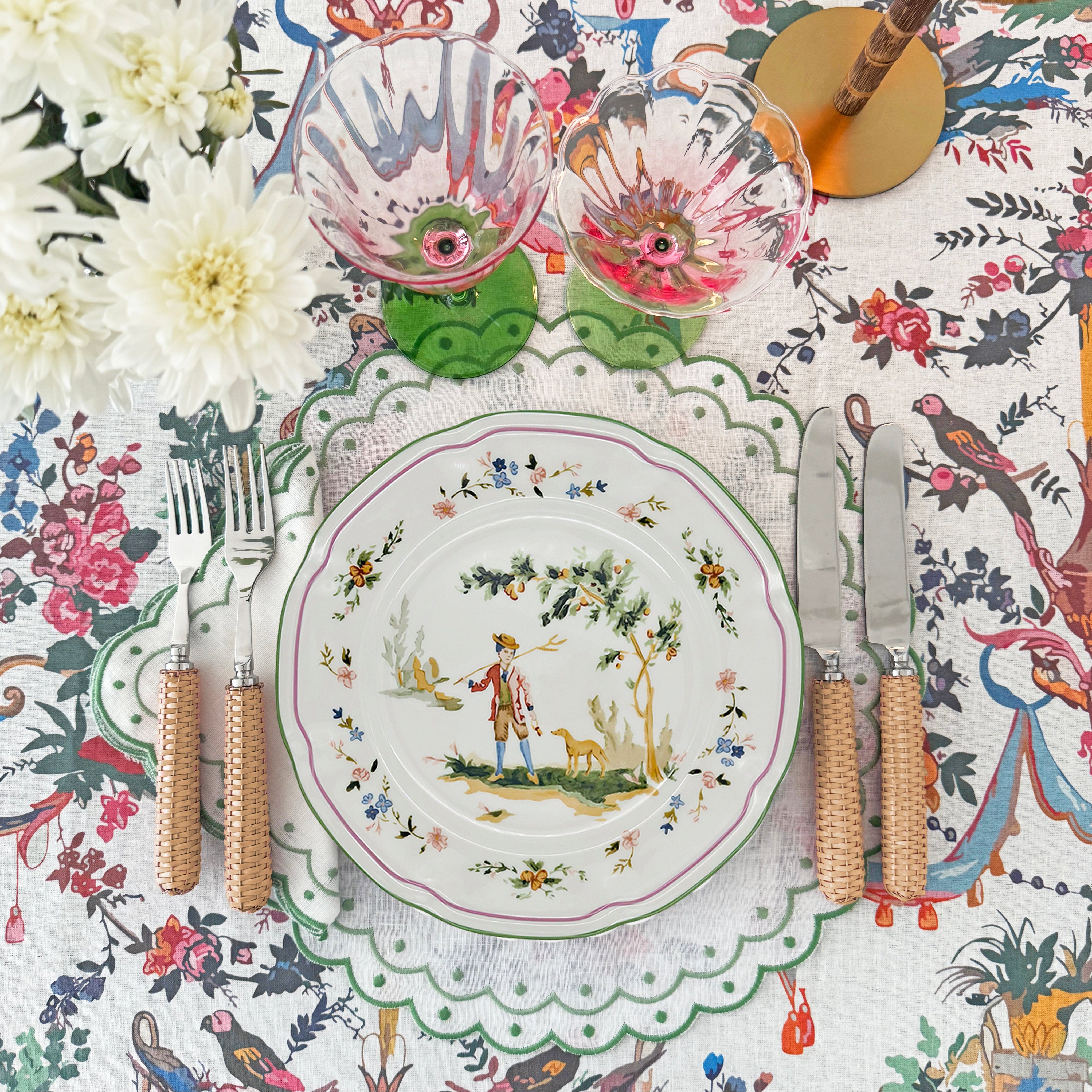

A table rarely feels truly finished until the cloth goes on. Before the flowers are trimmed, before the candles are lit, tablecloths for elegant entertaining establish the mood - relaxed or formal, coastal or classic, celebratory or quietly intimate. They soften the room, frame each place setting, and make even a simple gathering feel considered.
That is the quiet power of linen on a table. It does not need to shout to change everything.
Why tablecloths for elegant entertaining matter
A beautiful tablecloth does more than protect a surface. It creates atmosphere. The right fabric introduces color, texture, and movement, giving the table a sense of generosity that bare wood or stone cannot always provide on its own.
There is also a practical grace to it. A cloth absorbs some of the visual hardness of plates, glassware, and serving pieces, which makes the table feel layered rather than rigid. It can help a casual lunch feel polished and make a more formal evening feel welcoming instead of overly precious.
For hosts who care about visual harmony, the tablecloth is often the starting point rather than the final touch. Once it is chosen, everything else becomes easier - woven placemats, hand-painted plates, candlelight, and floral accents all have a clear backdrop. That sense of order is what makes a table feel effortless, even when it has been thoughtfully composed.
Choosing the right tablecloth for the occasion
Not every gathering calls for the same kind of drama. A weekend lunch in the sun asks for something different than an intimate dinner with taper candles and polished glassware. The most elegant hosts understand that refinement is not about making every table formal. It is about choosing a cloth that suits the moment.
For daytime entertaining, lighter colors and softer patterns often feel right. A crisp white or cream tablecloth is timeless, but pale blue, leafy green, or a delicate floral can feel equally elevated when the setting is relaxed. These shades tend to flatter natural light and pair beautifully with textured layers.
Evening tables can hold a bit more depth. Rich neutrals, warm ivory, soft tobacco, slate blue, or a botanical print with substance create a grounded, intimate mood. If the room already has architectural interest or strong decor, a quieter cloth may be the better choice. If the setting is simple, a patterned tablecloth can carry more of the visual conversation.
The size of the gathering matters too. For a large table, one expansive cloth often creates the most cohesive look. For a smaller group, you can afford to be a bit more expressive with pattern or trim because the design will be seen up close.
Fabric changes the feeling
Material has as much influence as color. Linen remains a favorite for a reason. It has a natural drape, a lived-in elegance, and a softness that grows more appealing over time. It wrinkles, yes, but in the right setting those wrinkles read as charm rather than flaw. If your style leans toward relaxed sophistication, linen is hard to surpass.
Cotton offers a crisper appearance and often feels slightly more tailored. It can be ideal for hosts who like a cleaner line or need something easy to care for between frequent gatherings. Cotton blends can be especially useful in homes where entertaining happens often and ease matters just as much as beauty.
There is always a balance to strike. A purely formal fabric may look exquisite but feel stiff for everyday use. A more casual weave may be lovely for lunch but not substantial enough for an evening table. The best tablecloths for elegant entertaining are the ones you will actually reach for, not the ones that remain folded away waiting for a perfect occasion.
The drop is part of the design
One of the simplest ways to make a table feel polished is to pay attention to length. A tablecloth that is too short can feel accidental. One that drapes properly immediately looks intentional.
For most entertaining, a drop of around 8 to 12 inches works beautifully. It feels graceful without becoming fussy. More formal settings often call for a longer drop, while casual outdoor tables may benefit from something slightly shorter and easier to manage.
Round tables have their own rhythm. A centered cloth with an even fall all the way around looks serene and balanced, especially when paired with low arrangements and soft lighting. Rectangular tables can handle more layering, but proportion still matters. The cloth should skim the table in a way that feels generous, never strained.
Layering brings the table to life
A tablecloth should not compete with everything placed on top of it, but it should contribute to the overall composition. This is where layering becomes especially useful. A patterned or colored cloth can be grounded with woven placemats, while a quieter cloth gives space for decorative chargers, floral napkins, or sculptural glassware.
Texture is often what separates a nice table from a memorable one. The interplay of crisp linen, rattan, polished silver, and candlelight creates depth without clutter. If the tablecloth has a print, keep the remaining layers edited. If the cloth is solid, you have more room to introduce pattern in napkins or accessories.
There is no rule that every element must match. In fact, elegant entertaining often looks more collected when pieces relate rather than coordinate exactly. A floral cloth with striped napkins can feel fresh and confident. An ivory linen with natural woven accents and colored glass can feel timeless but not predictable.
Seasonal style without starting over
One of the pleasures of a well-chosen tablecloth collection is that it allows the table to shift with the season while keeping a consistent point of view. Spring and summer often welcome lighter palettes, botanical motifs, and breezier textures. Autumn can carry richer color and a touch more structure. Winter tables tend to benefit from depth, softness, and candlelit contrast.
That does not mean every season requires an entirely new approach. A few versatile foundations can carry you through much of the year. An ivory linen, a soft patterned neutral, and one statement cloth with personality can cover a surprising range of occasions. Then the mood can change with napkins, lamps, flowers, and serving pieces.
This is where the most sophisticated homes tend to feel effortless. They are not constantly reinvented. They are edited with intention.
How to make a tablecloth feel luxurious, not overdone
Elegance is often a matter of restraint. A tablecloth can be ornate, but the overall setting still needs room to breathe. If the cloth has embroidery, scalloping, or a lively print, let that detail shine by keeping the surrounding elements simpler. If the tablecloth is minimal, add richness through layered textures and warm light.
Color balance also matters. A table with too many competing shades can feel busy, while one with a controlled palette feels composed. This does not require neutrality at all times. It simply means choosing a dominant tone and letting the accent colors support it.
The room should be part of the equation. A formal dining room can support a more dramatic tablecloth. A bright breakfast room may call for something lighter and more playful. Entertaining is always about context. The most beautiful table is the one that feels right in its setting.
Caring for pieces you want to use often
The most useful luxury is the kind that invites repetition. A tablecloth should not feel so delicate that it becomes untouchable. If you entertain regularly, choose pieces that can handle real use and thoughtful care.
Proper folding helps preserve shape and reduce deep creases. Gentle laundering or professional cleaning, depending on the fabric, keeps colors clear and fibers fresh. It is also worth storing tablecloths where they can be seen easily. Hosts are more likely to use what feels accessible than what is tucked away in unreachable stacks.
A beautiful table does not come from saving everything for a holiday. It comes from using lovely things often enough that setting the table becomes second nature.
There is a reason a cloth-covered table still feels special, no matter how many trends come and go. It signals care. It invites people to linger. And it reminds us that elegance at home is rarely about extravagance - it is about choosing details that make people feel welcomed, comfortable, and very glad they came.