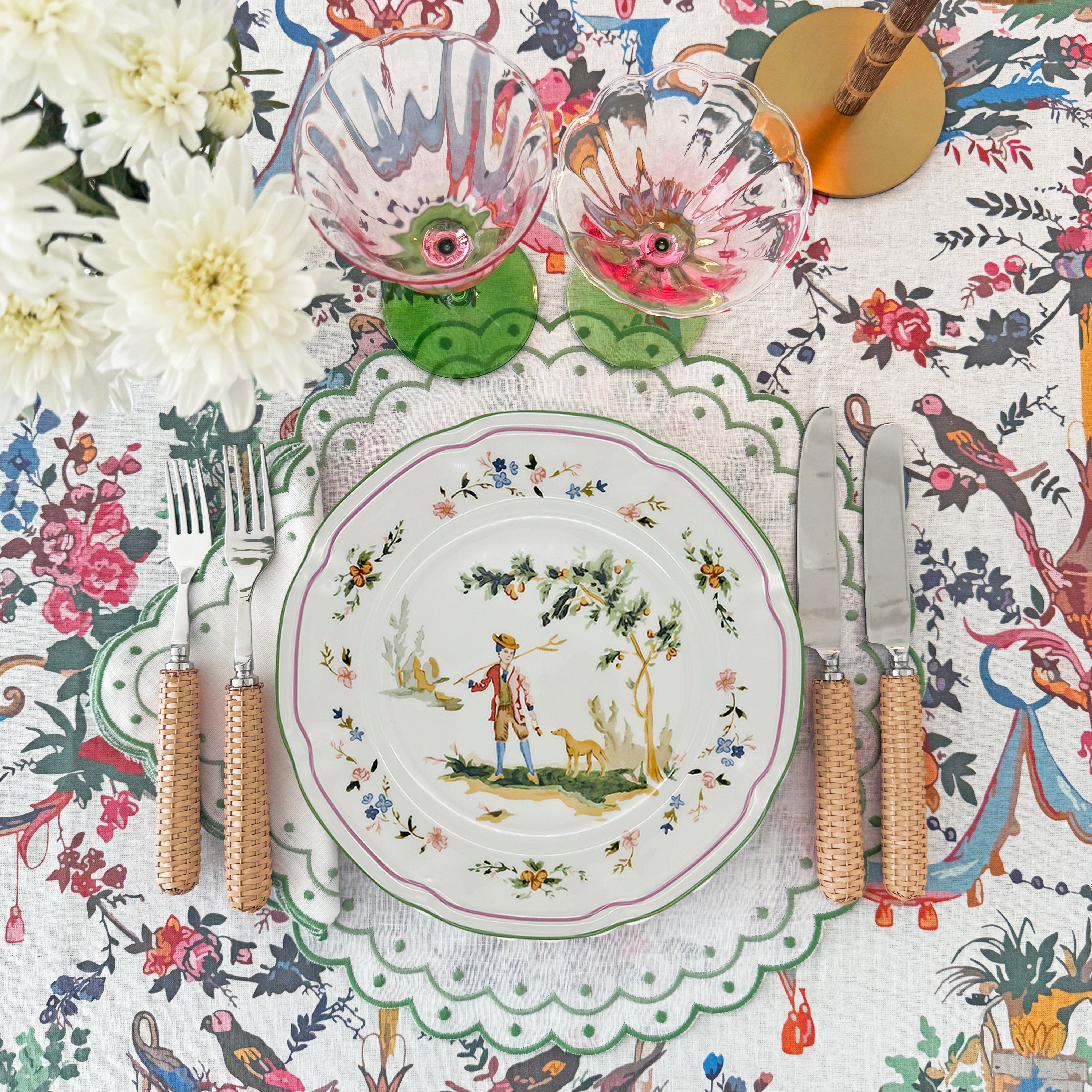

There is a particular kind of light that makes a room feel instantly more gracious. Not brighter, necessarily - just softer, warmer, and more considered. Bamboo table lamps do exactly that. They bring a natural texture that feels relaxed yet polished, which is why they work so beautifully in homes designed for gathering, conversation, and everyday beauty.
Some lighting asks to be admired from across the room. Bamboo asks to be lived with. It softens the edges of formal spaces, gives casual rooms a finished point of view, and adds an easy sophistication that never feels overdone. For anyone who cares as much about atmosphere as furniture placement, that balance matters.
What makes bamboo table lamps so appealing
The appeal begins with texture. Bamboo has a lightness to it, both visually and emotionally. It introduces an organic note that can temper glossy finishes, tailored upholstery, and decorative accessories with a bit more structure. In a well-appointed room, that contrast is often what makes the space feel layered rather than overly matched.
Color plays a role too. Most bamboo table lamps live in a naturally versatile palette - honey, straw, caramel, soft brown, or lacquered finishes that still retain a sense of warmth. Those tones sit comfortably beside crisp whites, deep blues, greens, chinoiserie patterns, woven placemats, polished wood, or brass accents. They are remarkably easy to place, but they never disappear.
There is also something enduring about bamboo as a motif in decorating. It nods to tradition without feeling old-fashioned. It can read Palm Beach, coastal, classic, tailored, or collected depending on the shape of the lamp and what surrounds it. That flexibility is part of its charm. A bamboo lamp can feel right at home on a skirted bedside table, a painted console in the entry, or a side table near a stack of design books and a cocktail tray.
Where bamboo table lamps work best
One of the reasons designers return to bamboo table lamps again and again is that they are unusually adaptable. They have personality, but they do not dominate a room.
In the living room
A bamboo lamp in the living room brings warmth at eye level, which is where a room often needs it most. Overhead lighting may illuminate the space, but table lamps create intimacy. If your living room mixes tailored upholstery with softer decorative elements, bamboo helps bridge the two. It keeps the room feeling composed without becoming stiff.
Placed on matching end tables, bamboo lamps can frame a seating area with symmetry and calm. Used as a single accent on a side table or console, they add a more collected, less formal effect. Neither approach is better - it depends on whether the room wants order or a bit more ease.
In the bedroom
Bedrooms benefit from lighting that feels gentle and personal. Bamboo has an unfussy elegance that suits that mood perfectly. On bedside tables, it keeps the room from feeling overly precious while still looking thoughtfully decorated. This is especially useful in bedrooms that lean classic, where a bamboo detail can add freshness and prevent the space from feeling too conventional.
Scale matters here. If your bedside tables are substantial, a lamp with visual presence will feel balanced. If the room is lighter and more airy, a slimmer bamboo silhouette often feels more graceful.
In the entry or hallway
Few things set the tone for a home like a well-lit entry. A bamboo table lamp on a console immediately creates a welcoming point of view. It suggests that the home is cared for, but not in a way that feels ceremonial. That is the distinction many beautiful homes get right.
In narrower spaces, bamboo is especially useful because it adds interest without heaviness. A carved wood lamp or a darker ceramic base can feel too weighty in a small hall. Bamboo tends to keep the scene bright and lifted.
In spaces meant for entertaining
Rooms designed for entertaining need lighting that flatters both the setting and the people in it. Bamboo table lamps are excellent here because they feel decorative in daylight and atmospheric at night. They pair naturally with linens, candles, trays, and other details that make a gathering feel considered.
For a home where entertaining is part of daily life, that versatility is more than aesthetic. It is practical. The same lamp should look lovely at a casual afternoon lunch and equally at ease during an evening with cocktails and candlelight.
How to style bamboo table lamps beautifully
The easiest mistake with bamboo is treating it as a theme. It is better as an accent than a chorus. One or two well-placed bamboo elements can give a room texture and character. Too many can make the space feel overly literal.
Start by considering what your room already has. If you have smooth surfaces - lacquer, glass, polished wood, metal - a bamboo lamp will introduce welcome contrast. If the room already includes woven textures, rattan, or grasscloth, bamboo can reinforce that natural richness, but you may want a simpler lamp shape so the room does not feel busy.
Shades matter more than people think. A beautiful fabric shade keeps bamboo looking tailored and fresh. An off-white or cream shade gives it a softer, more traditional mood. A very ornate shade can compete with the base, while a clean silhouette usually lets the material speak for itself.
The surrounding objects should feel edited. Bamboo table lamps pair beautifully with stacked books, a small bowl, a framed photograph, or a low arrangement of greenery. They do not need much. In fact, they often look best when the tabletop around them is not crowded.
Choosing the right bamboo lamp for your room
Not every bamboo lamp says the same thing. Some lean coastal and relaxed. Others are more polished, especially when paired with brass details, painted finishes, or elegant proportions. The right choice depends less on trend and more on the mood you want your home to carry.
If you prefer a classic, collected look, choose a bamboo table lamp with a refined silhouette and balanced scale. If your home is more casual and sun-washed, a lighter finish and slightly more informal shape may feel appropriate. If your rooms already include strong patterns or decorative color, bamboo can serve as a grounding neutral.
This is also where proportion becomes important. A lamp that is too small can look apologetic. Too large, and it begins to overwhelm the furniture beneath it. As a general design principle, the lamp should feel intentional from across the room and comfortable up close. That is not a formula so much as a visual test.
Why bamboo still feels current
Design trends come and go, but some materials remain appealing because they connect beauty with ease. Bamboo does that naturally. It offers a decorative point of view without feeling precious, and it adds warmth without visual clutter.
That may be why it continues to resonate in homes that value both style and livability. A bamboo lamp can sit comfortably among heirloom pieces, fresh florals, tailored upholstery, and playful entertaining accents. It has enough character to be memorable and enough restraint to last.
For brands like Duggan Society, where home is seen as the setting for shared rituals and thoughtful presentation, that kind of design detail matters. Lighting is never just functional. It shapes the mood of a room, the softness of a conversation, the way a table or corner or entry feels when someone arrives.
A decorating choice that feels easy to live with
The best pieces in a home are often the ones that quietly improve everything around them. Bamboo table lamps do exactly that. They bring texture to crisp rooms, polish to casual ones, and a welcoming glow to spaces meant to be enjoyed.
If you are choosing lighting with both beauty and atmosphere in mind, bamboo is a lovely place to begin. It does not ask for a complete redesign or a grand gesture. Just a table, a shade, and the kind of light that makes people want to stay a little longer.