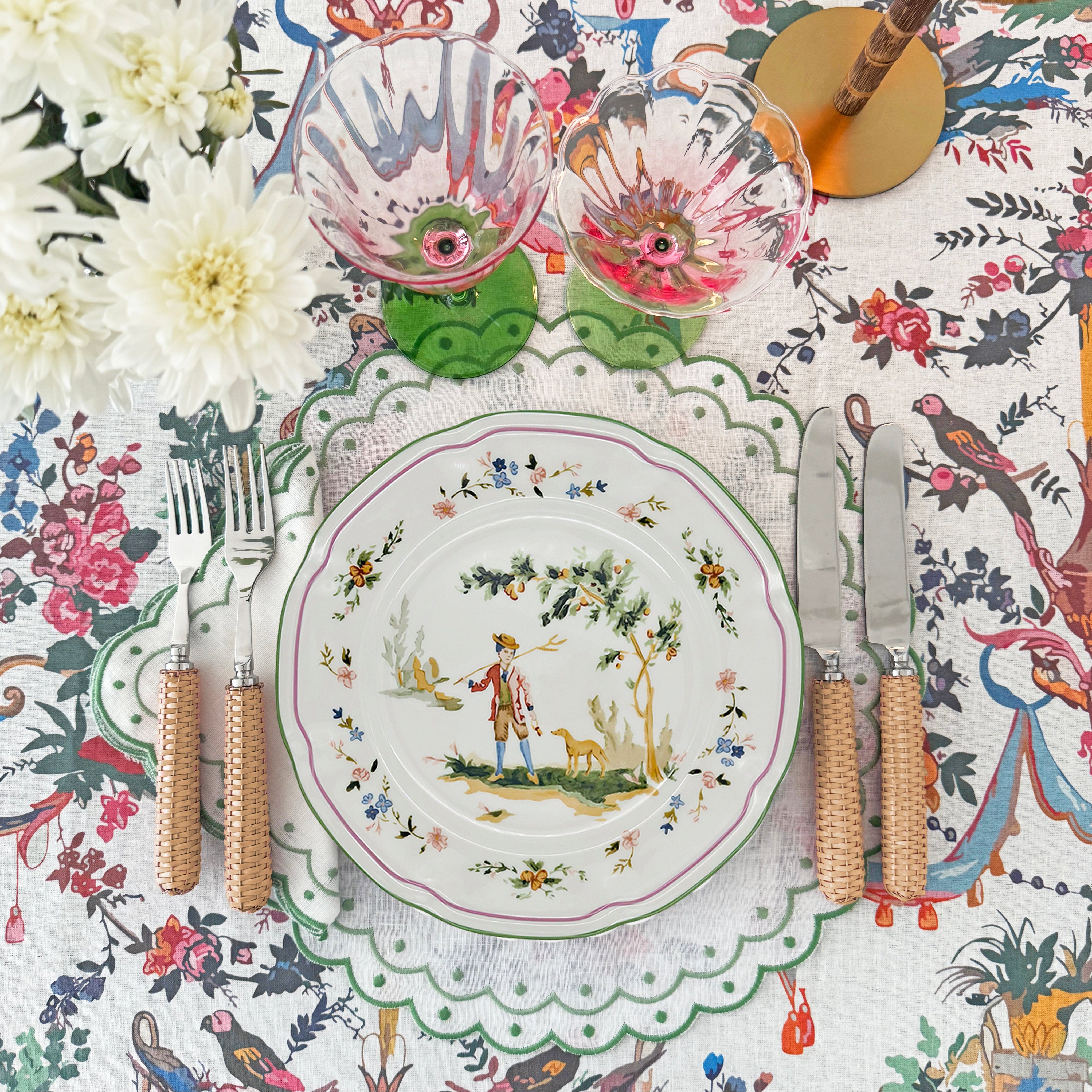

A linen tablecloth can arrive at the table with a few soft folds, catch the afternoon light, and somehow make every place setting feel more considered. So, do linen tablecloths wrinkle? Absolutely. But with linen, a wrinkle is not a flaw to battle at every turn. It is part of the fabric's lived-in elegance - the quality that makes a table feel welcoming rather than overly arranged.
For the woman who loves a beautiful table but also wants guests to feel at ease, linen offers a particularly lovely balance. It has presence, texture, and a natural drape that becomes more inviting over time. The key is knowing which wrinkles add character and which ones deserve a little attention before the first glass is poured.
Do Linen Tablecloths Wrinkle More Than Other Fabrics?
Yes. Linen fibers have very little elasticity, so they crease more readily than cotton blends, polyester, or synthetic performance fabrics. A freshly pressed linen tablecloth will begin to develop gentle folds as it is placed on the table, especially around the edges and anywhere guests rest their arms. This is simply how the fiber behaves.
That said, linen wrinkles differently from a neglected fabric. Its creases tend to soften into a relaxed, dimensional finish rather than looking stiff or careless. The texture brings depth to a tabletop, particularly when paired with glossy glassware, hand-painted plates, polished flatware, or the warm glow of a cordless lamp.
Pure linen will wrinkle the most, while linen-cotton blends usually hold a smoother finish. Neither is inherently better. A blend can be a practical choice for frequent entertaining or a more tailored setting, while 100 percent linen has the unmistakable texture and fluidity many people love for long lunches, celebratory dinners, and gatherings that linger into evening.
The Difference Between Relaxed and Rumpled
A few natural creases are charming. Deep fold lines across the center of the table, a visibly crumpled hem, or a cloth that has been stored in a tight bundle can distract from an otherwise polished setting. The goal is not perfection. It is intention.
Before setting the table, look at the cloth from a few steps back. If it hangs evenly, the color looks fresh, and the wrinkles are soft rather than sharply pressed into the fabric, it is likely ready. Linen looks especially beautiful when it is allowed to fall naturally over the sides of the table rather than pulled taut.
There are occasions when a crisper finish feels right. A formal holiday table, a seated celebration with a more traditional mood, or a setting built around tailored placemats may call for a freshly pressed cloth. For a breezy garden lunch, an impromptu gathering, or an easy weekend supper, linen's relaxed texture often sets precisely the right tone.
How to Keep Linen Tablecloths Looking Their Best
The most effective linen care begins before the table is set. Rather than leaving a tablecloth folded in a drawer until the moment you need it, take it out the day before. Unfold it fully and let it rest over a drying rack, the back of a chair, or the table itself. Many storage creases will release naturally with time.
If the cloth needs more help, a light mist of clean water works beautifully. Place it on the table while it is just slightly damp, then smooth it gently with your hands from the center outward. As it dries, linen often relaxes into a softer, more even finish.
For a more polished look, steam is generally kinder than aggressive ironing. Hang the tablecloth or lay it flat, then use a steamer to ease out the most noticeable creases. If you prefer an iron, work while the linen is still lightly damp and use a medium-to-high heat setting appropriate for the fabric. Iron on the reverse side when possible, particularly with richly colored or embroidered linens.
Avoid pressing linen until it feels unnaturally flat. Over-ironing can remove the texture that gives the fabric its distinction. Think of the finish as softly tailored, not rigid.
A simple pre-party routine
For an occasion where every detail matters, wash and dry the linen a day or two ahead. Remove it from the dryer while it is still slightly damp, then steam or iron only where needed. Drape it over the table several hours before guests arrive. This gives the fabric time to settle and leaves you free to arrange flowers, light candles, and enjoy the final moments before the doorbell rings.
Washing Linen Without Creating More Creases
Linen becomes softer and more beautiful with thoughtful washing. Use a gentle cycle in cool or lukewarm water with a mild detergent. Avoid overloading the machine, since tightly packed linens emerge with deeper creases and may not rinse as thoroughly.
Bleach is best avoided unless the care label specifically allows it. It can weaken natural fibers over time and may leave white linen looking less luminous. For everyday marks, treat stains promptly and gently rather than relying on harsh products after the fact.
Tumble drying on low heat is convenient, but the timing matters. Take the tablecloth out while it remains a little damp. If it dries completely in the machine, wrinkles can set more firmly. Give it a shake, smooth the hems, and either lay it flat or hang it to finish drying. This small step makes a noticeable difference.
If air-drying outdoors, keep colored linen away from prolonged direct sun, which can fade saturated hues over time. A shaded, well-ventilated spot is ideal. White linen is more forgiving, though even then, gentler drying preserves the fabric's longevity.
Storage Matters More Than You Think
How a linen tablecloth is stored determines how much preparation it needs later. Folding is perfectly acceptable, but avoid narrow, repeated folds that create hard lines. Refold the cloth differently from time to time so the same creases are not reinforced season after season.
For especially cherished linens, roll them around an acid-free tube or loosely fold them with tissue between layers. Store them in a cool, dry drawer or cabinet away from direct sunlight. Plastic bins can trap moisture, so breathable fabric storage is a better choice for long-term care.
Do not store linen after a gathering until you are certain it is completely clean and dry. Even a nearly invisible spill can oxidize into a stubborn mark over time. A quick inspection before putting it away protects both the cloth and the ease of preparing for your next gathering.
When a Wrinkle-Resistant Option Makes Sense
Linen is not the right choice for every table. If you are setting up far in advance, traveling with your linens, or prefer a very crisp look that stays intact through a long event, a linen blend or another wrinkle-resistant fabric may serve you better. This is not a compromise in style. It is simply a matter of choosing the material that suits the moment.
Still, there is something special about real linen for occasions centered on conversation and connection. It softens the formality of a beautifully set table. It makes a mix of heirloom pieces and new favorites feel cohesive. And because it becomes more supple with use, it quietly encourages the best kind of entertaining: the kind where beautiful things are enjoyed often, not saved away.
The next time you unfold a linen tablecloth and see a few creases, let them be part of the invitation. Smooth what needs smoothing, let the rest fall naturally, and create a table that feels ready for life to be shared.